Discover the Caribbean places that shaped the life and work of Gabriel García Márquez.
Macondo doesn’t appear on maps, but its roots lie in the Colombian Caribbean.
En One Hundred Years of Solitude, Gabriel García Márquez created a town where memory, history, and imagination intertwine, blurring the boundaries between the real and the extraordinary. Although Macondo is fictional, parts of its literary universe are rooted in the places, people, and events that shaped the writer’s life.
Aracataca, his birthplace; Ciénaga and the memory of the banana region; the landscapes of the Ciénaga Grande; and Barranquilla, where he found a formative literary environment, offer different ways to explore this universe.
Rather than searching for Macondo at a precise point on the map, we can journey through the Caribbean to discover how reality inspired one of the most celebrated works of Latin American literature.

01
Aracataca
Aracataca, in the department of Magdalena, is the birthplace of Gabriel García Márquez and a starting point for understanding the connection between his childhood and his literary work.
Its streets, family stories, old railway station, and everyday memories form part of the world that shaped his imagination. The Gabriel García Márquez House Museum offers a glimpse into his early years and helps explain why this place holds such an important position in his work.
Here begins the search for Macondo’s real-life roots: not to find an exact replica of the novel’s fictional town, but to recognize the memories and landscapes that helped bring it to life.
02
Cienaga Magdalena
The Caribbean world surrounding Macondo is also shaped by real historical events. Ciénaga preserves memories of the rise of the banana industry and the 1928 banana workers’ strike and massacre, an episode that left a profound mark on Colombian history and the region’s literary memory.
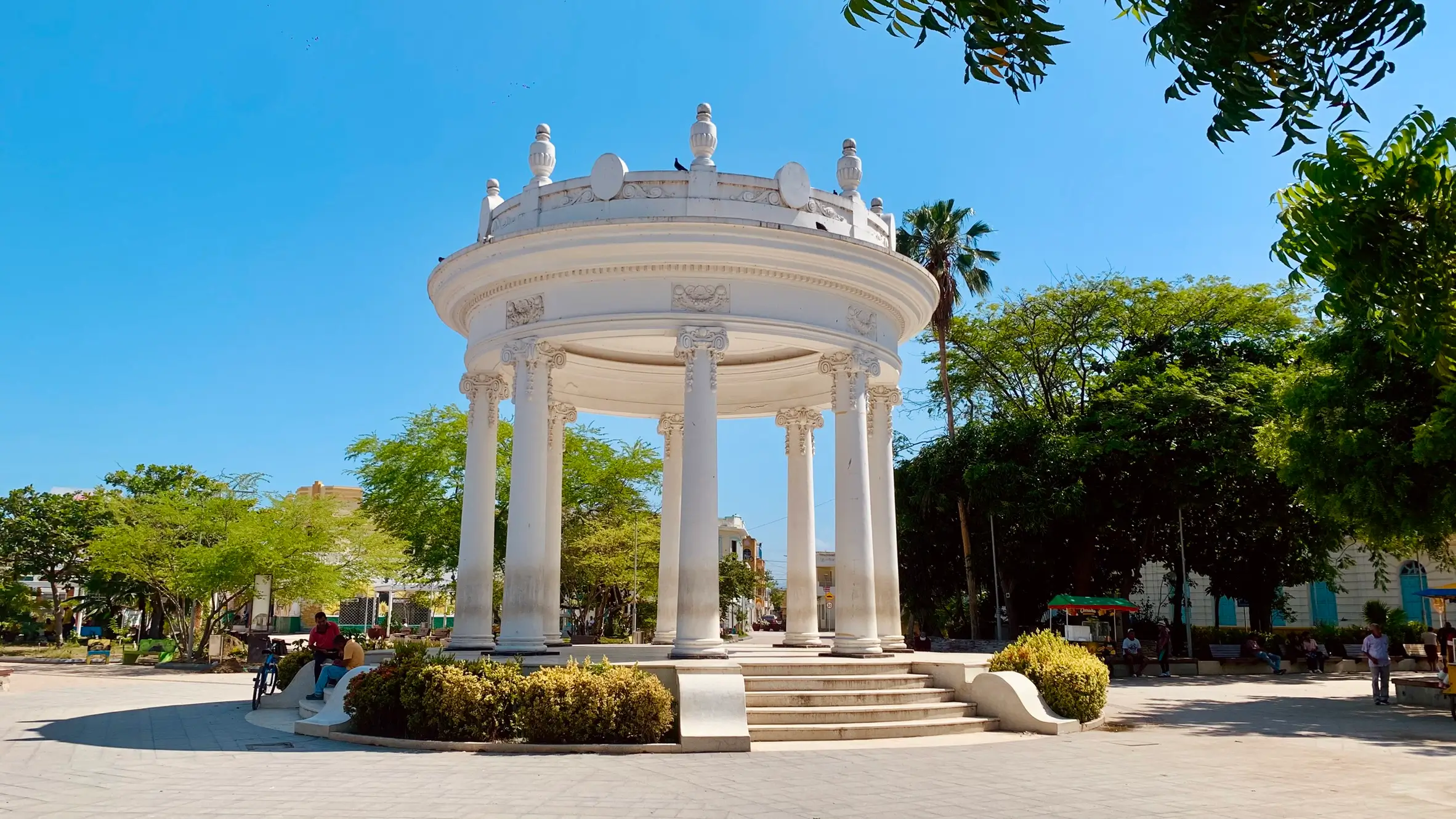
Its historic center, public spaces, and architectural heritage offer a glimpse into a city where economic history, everyday life, and literature intersect.
Visiting Ciénaga means exploring one of the historical contexts that help illuminate the world of One Hundred Years of Solitude.
03
Palafito Villages
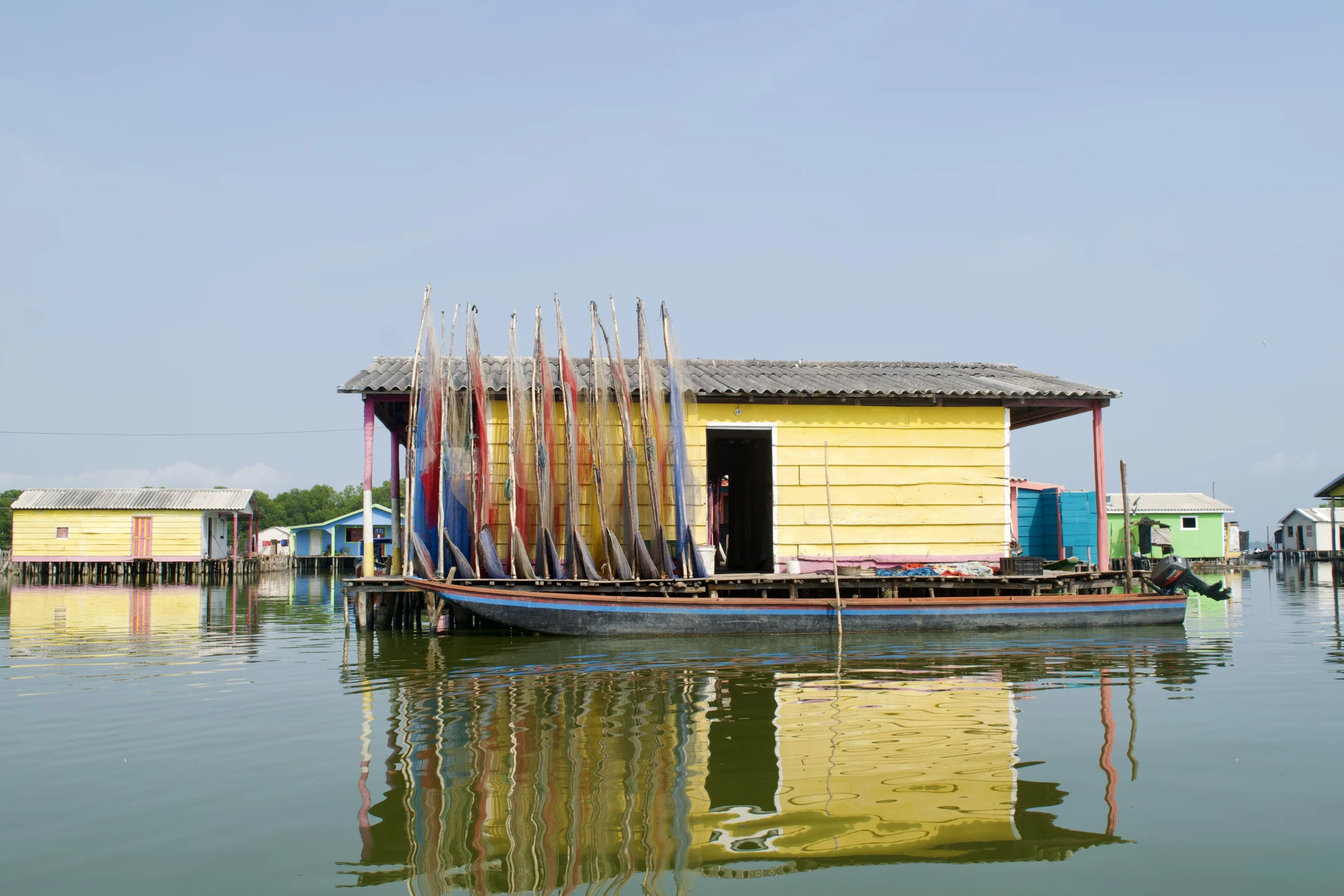
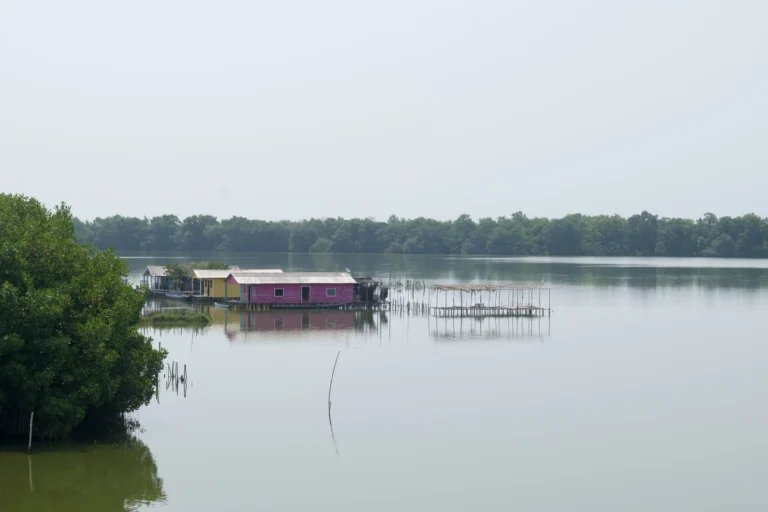
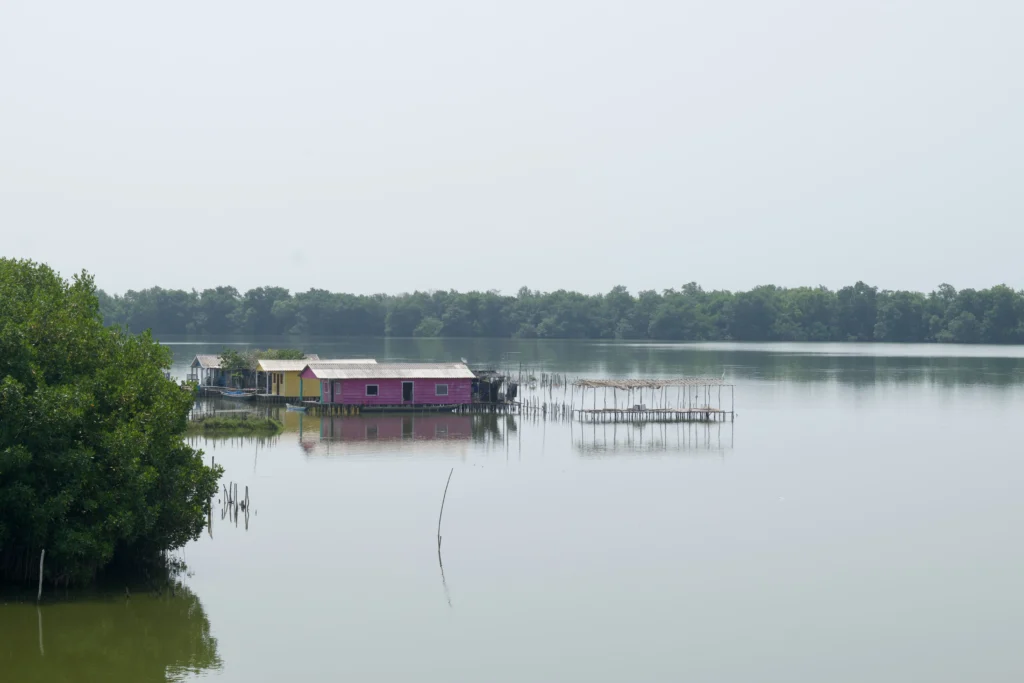
In the Ciénaga Grande de Santa Marta, stilt-village communities have developed ways of life deeply connected to the water. Their homes on stilts, boat journeys, and traditional activities reflect a distinctive relationship between people and their environment.
This landscape should not be understood as a literal representation of Macondo, but as part of the Colombian Caribbean’s cultural and natural diversity, offering a broader perspective on the region.
Discovering these villages reveals stories and ways of life best understood through the experiences of the people who call them home, beyond any literary comparison.
04
Barranquilla
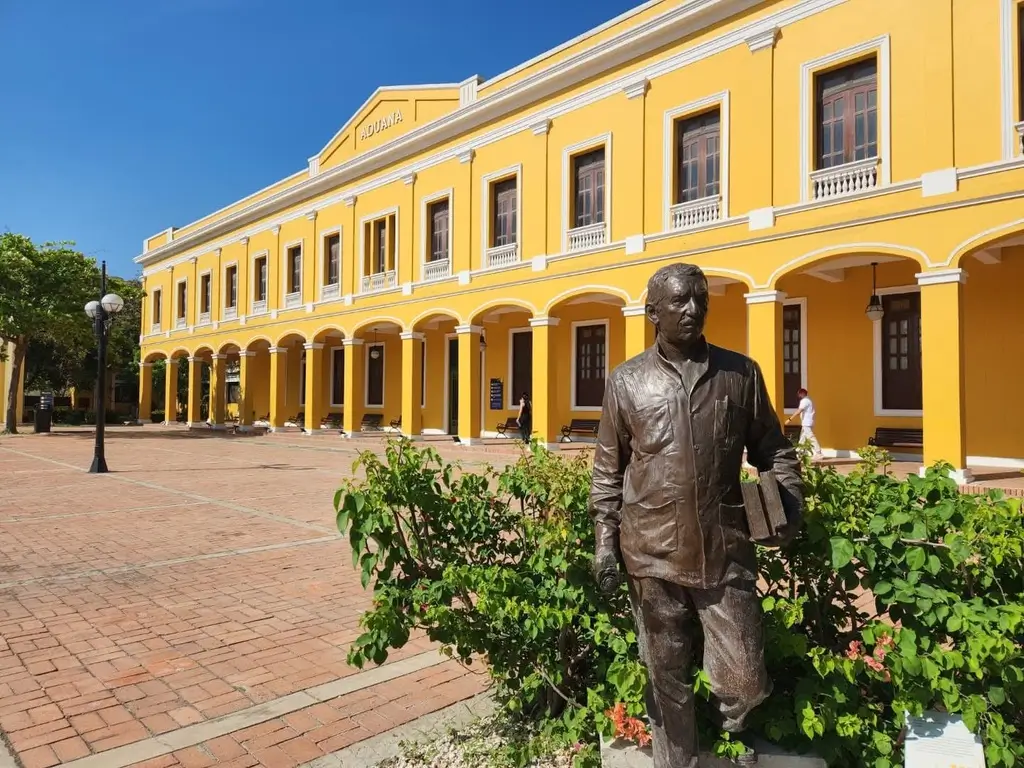
Before becoming one of the world’s most celebrated writers, Gabriel García Márquez found in Barranquilla an intellectual and cultural environment that played a decisive role in his development.
The city’s gathering places and its circle of writers, known as the Grupo de Barranquilla, helped shape his career as a journalist and storyteller. Places associated with this cultural life, such as La Cueva, offer a glimpse into another dimension of his literary journey: the exchange of ideas, conversation, and literary experimentation.
Barranquilla is not Macondo, but it is part of the story of the writer who imagined it.
More than a literary journey, an immersion in the landscapes that inspired Gabo’s literary universe.
Related Articles
Three cities, three distinct identities, and one region connected by the sea, history, and the cultural diversity of the Colombian Caribbean.
Four cities to discover how the Caribbean has shaped Colombia’s history.