Four cities to discover how the Caribbean has shaped Colombia’s history.
Before roads connected the inland cities, the Caribbean Sea and the Magdalena River were vital routes for the movement of people, goods, ideas, and power, transforming the territory we know today as Colombia.
Some of the mainland’s first Spanish settlements were established in this region, where important colonial ports emerged and trade routes connected the coast with the interior. It was also a setting for Indigenous resistance, the presence and struggles of African and Afro-descendant communities, and pivotal events in the fight for independence.
Yet the history of the Colombian Caribbean did not begin with the arrival of Europeans. Long before, this territory was home to peoples with their own cultures, knowledge systems, forms of organization, and deep relationships with the land.
1
Santa Marta
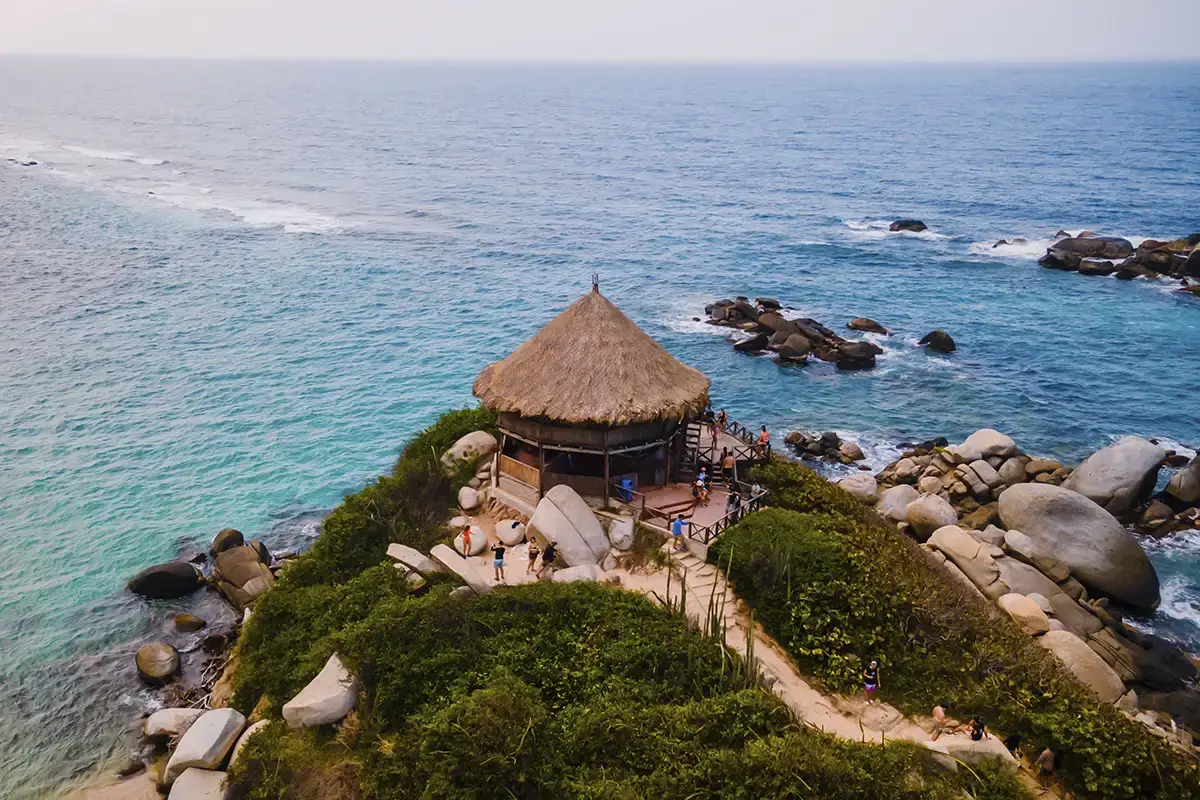
Founded by the Spanish in 1525, Santa Marta was one of the first permanent colonial settlements in what is now Colombia. Its location between the Caribbean Sea and the Sierra Nevada made it a strategic starting point for Spanish expeditions seeking to advance into the interior.
Expeditions that helped extend colonial rule set out from this city. Among them was Gonzalo Jiménez de Quesada’s journey inland, which reached the highlands of the Muisca people and culminated in the founding of Santa Fe de Bogotá in 1538.
However, telling this story solely through European expeditions would leave out an essential part of the past. The region was already home to Indigenous peoples with their own social structures, knowledge, and ways of life. The conquest profoundly transformed their territories and communities through conflict, dispossession, and different forms of subjugation.
Santa Marta’s history offers insight into both the establishment of colonial rule and the societies that existed before it, as well as the transformations they experienced.
Santa Marta is a starting point for understanding how Spanish colonial presence began to take hold in this part of the continent and how that process altered territories with a much older history.
2
Cartagena
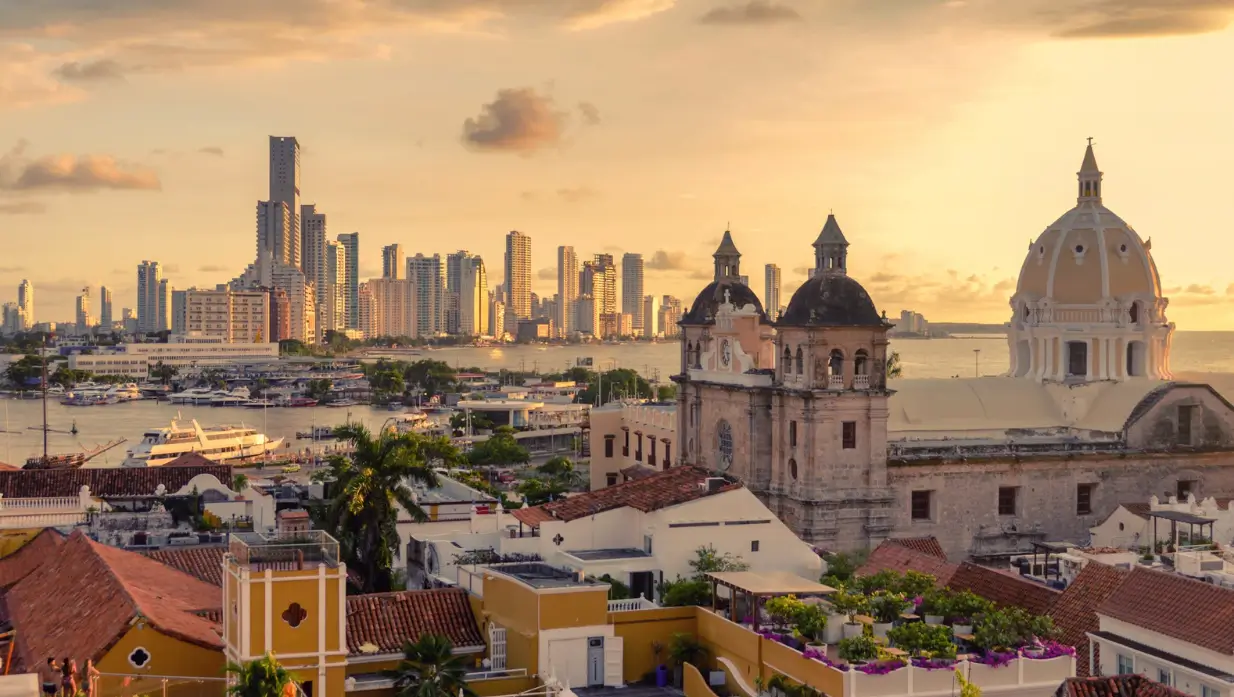
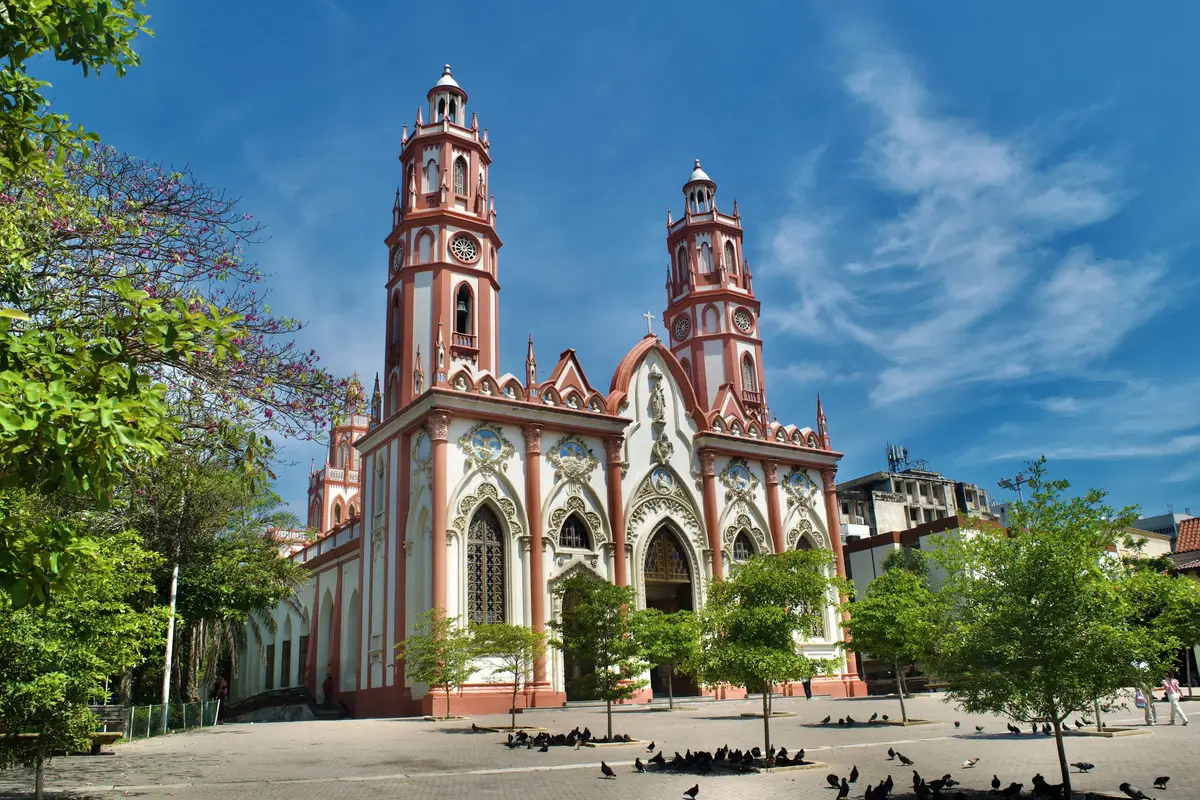
Founded in 1533, Cartagena de Indias became strategically important because of its bay and its location along Caribbean maritime routes.
During the colonial era, it became one of the main ports in the Spanish commercial system in the Americas. Goods, people, and resources linked to trade between Europe and its colonies passed through the city. It was also one of the principal entry points for enslaved Africans brought to the territory, whose labor and cultures profoundly shaped colonial society.
This history of wealth and trade was accompanied by the violence of slavery, racial hierarchies, and the resistance of those who were subjected to them. African and Afro-descendant communities were never merely secondary figures in this history: their knowledge, cultural expressions, and struggles remain fundamental to the history of Cartagena and Colombia.
The city’s strategic position also made it a target for attacks by rival powers and privateers. Its walls and fortifications, now integral to its urban landscape, bear witness to the struggle for control of the Caribbean.
Cartagena offers insight into the connections between colonial power, Atlantic trade, and the cultural diversity that emerged across the Caribbean. It also invites us to ask who built this wealth, who benefited from it, and who resisted its consequences.
3
Mompox
To understand Colombia’s history, it is not enough to look toward the sea. We must also follow the course of the Magdalena River.
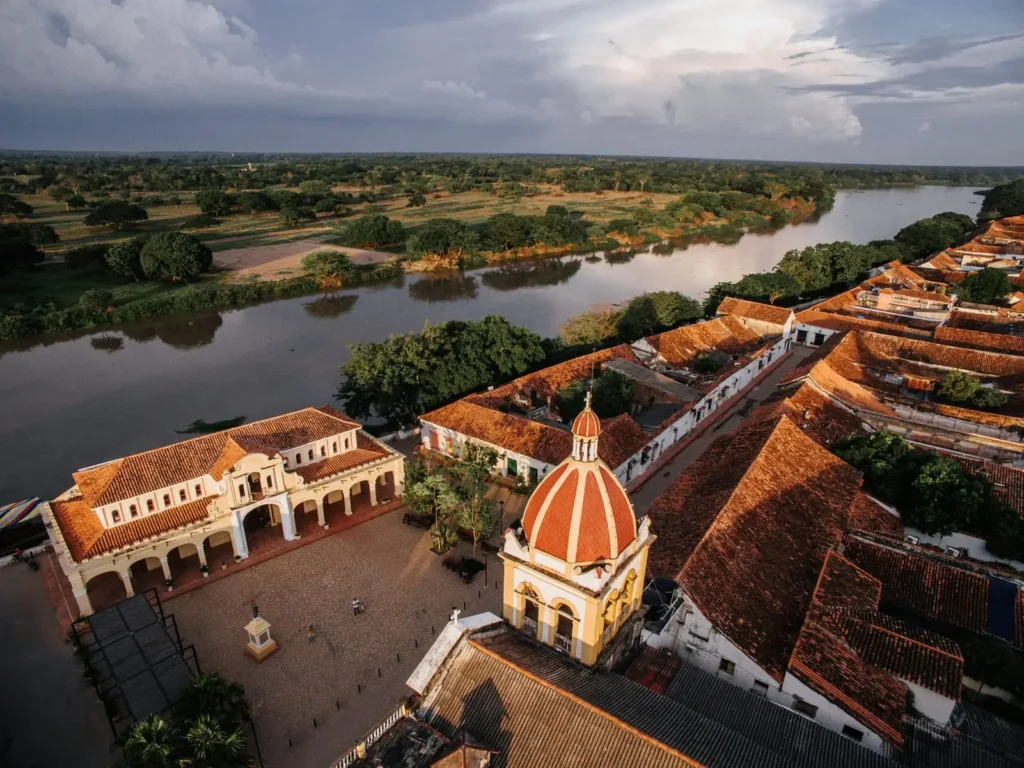
For centuries, the river was one of the main communication routes between the Caribbean and the interior of the territory. Goods, travelers, news, and political decisions moved along its waters. Riverside communities participated in a network of exchanges that connected regions with distinct landscapes, economies, and ways of life.
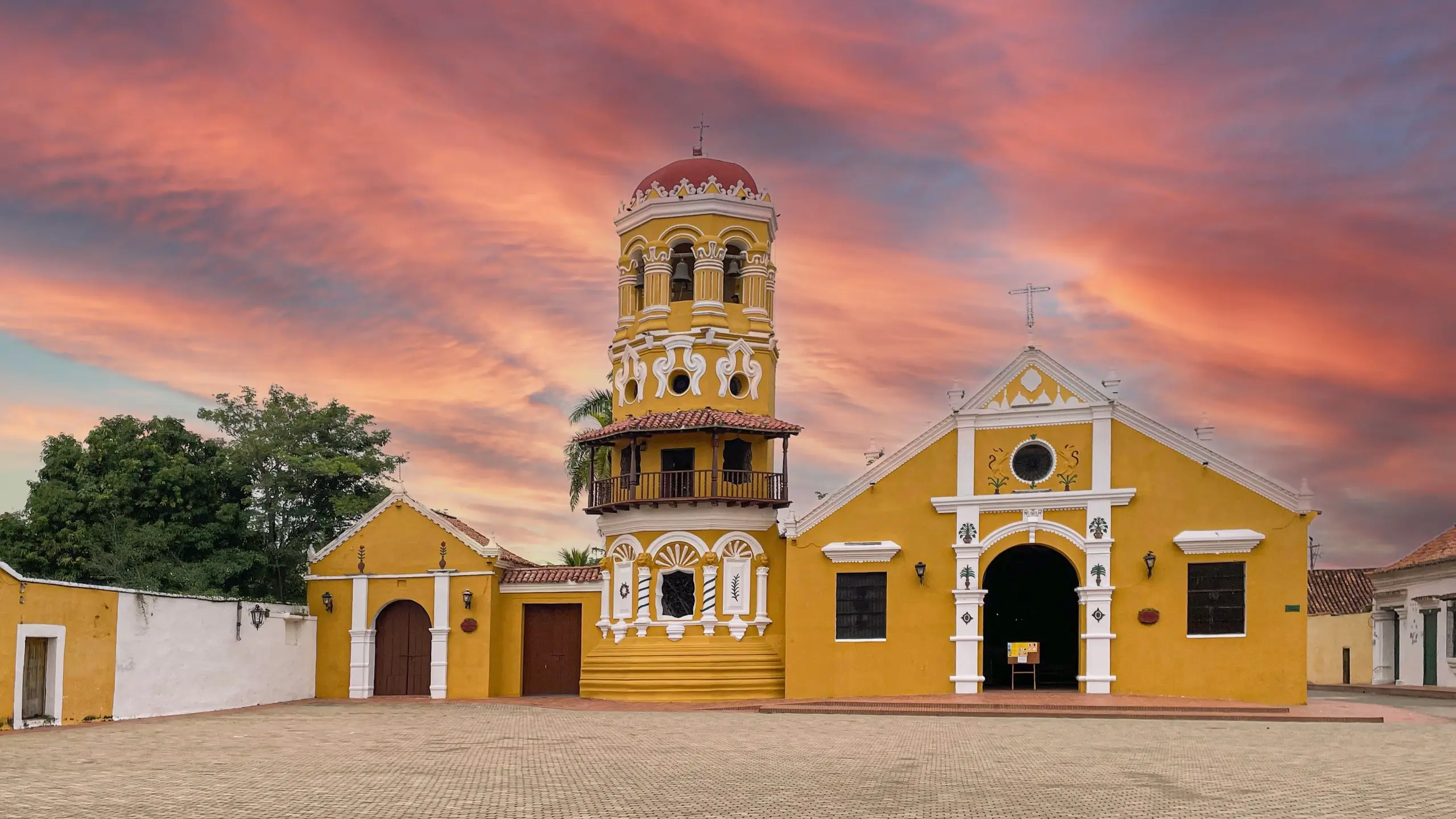
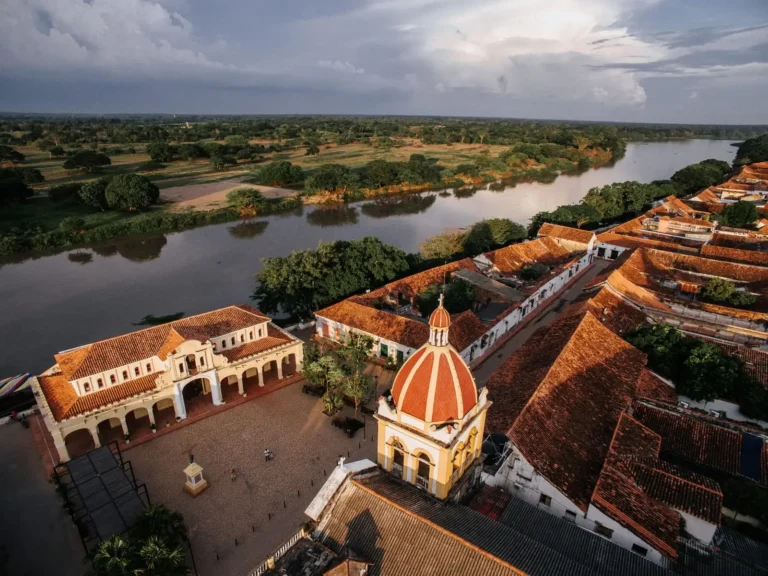
Mompox played an important role in this history. Its development was closely linked to the river’s commercial activity and to the connections between Caribbean port cities and the interior. Its streets, churches, and architecture preserve part of the memory of this past.
The city also holds a significant place in Colombia’s independence. On August 6, 1810, Mompox proclaimed its absolute independence from Spain, amid a crisis of the Spanish monarchy and political transformation across the Americas.
Today, filigree craftsmanship, local traditions, and architectural heritage offer a way to explore other dimensions of its history beyond major political events.
Mompox helps us understand that the Caribbean was not merely a maritime frontier. It was also a network of river routes that connected the coast with the interior and contributed to the country’s economic and political development.
4
Barranquilla
Unlike Santa Marta and Cartagena, Barranquilla did not emerge as one of the main Spanish colonial settlements during the early decades of the conquest. Its growth was shaped by different historical forces, particularly trade and navigation along the Magdalena River.
During the nineteenth and early twentieth centuries, the city grew in importance as a port and commercial center. Its connection to the river facilitated the exchange of goods between the interior and the Caribbean, while migration helped transform its economic, social, and cultural life.
Barranquilla also became a center of innovation in transportation, business, and communications. Its growth attracted people from different places and gave rise to a city shaped by the meeting of diverse influences.
Barranquilla Carnival is one of the most visible expressions of this diversity. Its music, dances, and traditions bring together contributions from different communities, showing how Caribbean cultures evolve, interact, and remain alive.
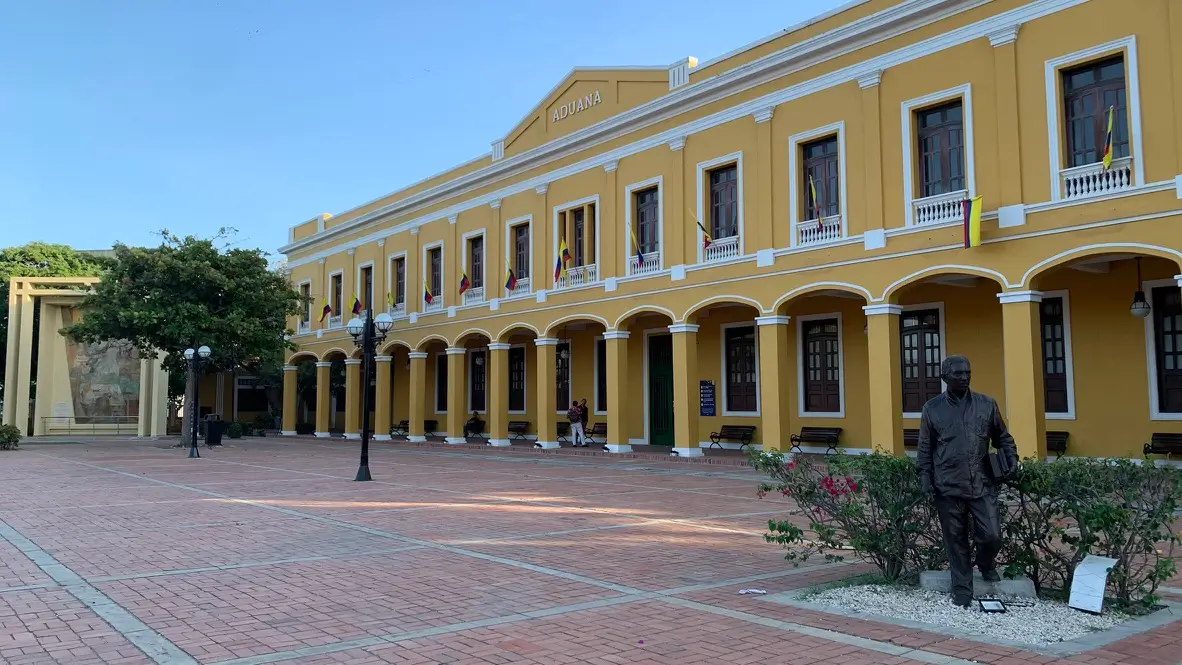
The city’s heritage can also be explored through places such as the El Prado neighborhood, Barrio Abajo, the historic Intendencia Fluvial, and sites that reveal the historical importance of the Magdalena River.
Barranquilla offers a different perspective on Caribbean history: that of a city whose growth was deeply connected to trade, migration, and the links between the river, the port, and the wider world.
5
Santa Marta, Cartagena, Mompox, and Barranquilla do not tell the same story, nor do they represent entirely separate chapters. Their histories intersect, complement one another, and sometimes reflect different interests and historical processes.
Santa Marta offers insight into the first colonial settlements and the conquest of the territory. Cartagena reveals the dynamics of the port system, Atlantic trade, and colonial society. Mompox highlights the importance of river routes and the independence movement. Barranquilla helps us understand the commercial, urban, and cultural transformations of the nineteenth and twentieth centuries.
Together, these destinations offer a way to explore Colombia’s history through the Caribbean, while recognizing that the country was also shaped by the experiences of its inland regions, its Indigenous peoples, its Afro-descendant communities, and many other groups.
History is not found only in books or monuments. It also lives on in streets, crafts, architecture, music, gastronomy, and the memories that communities pass down from generation to generation.
Three cities, three distinct identities, and one region connected by the sea, history, and the cultural diversity of the Colombian Caribbean.
Related Articles
Three cities, three distinct identities, and one region connected by the sea, history, and the cultural diversity of the Colombian Caribbean.
Four cities to discover how the Caribbean has shaped Colombia’s history.