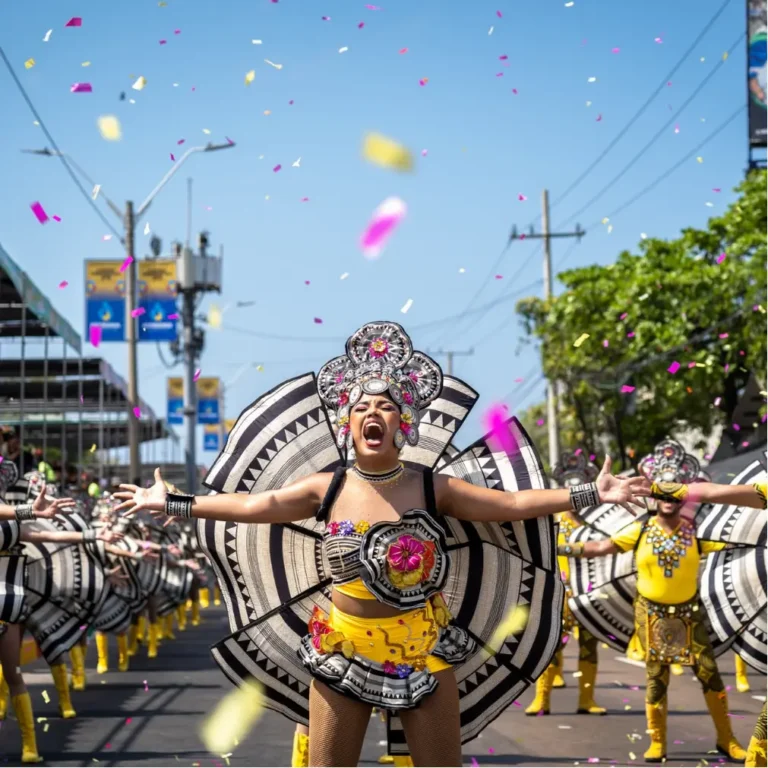
Migration, trade, music and Carnival shaped a city that opened its doors to the world.
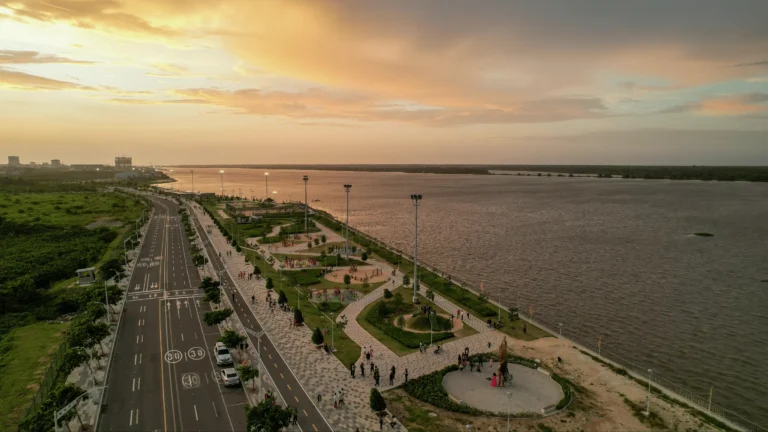
Known as Colombia’s Golden Gate, Barranquilla grew along the banks of the Magdalena River, becoming a strategic hub for trade, navigation, and the country’s connections with the world. In 1919, the city became the birthplace of SCADTA, the predecessor of Avianca and a pioneer of commercial aviation in the Americas. The arrival of migrants, new ideas, and cultural expressions helped shape an open, diverse, and constantly evolving city.
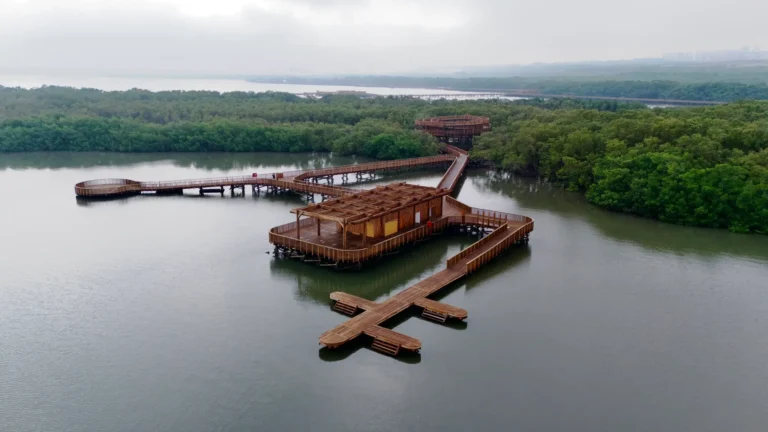
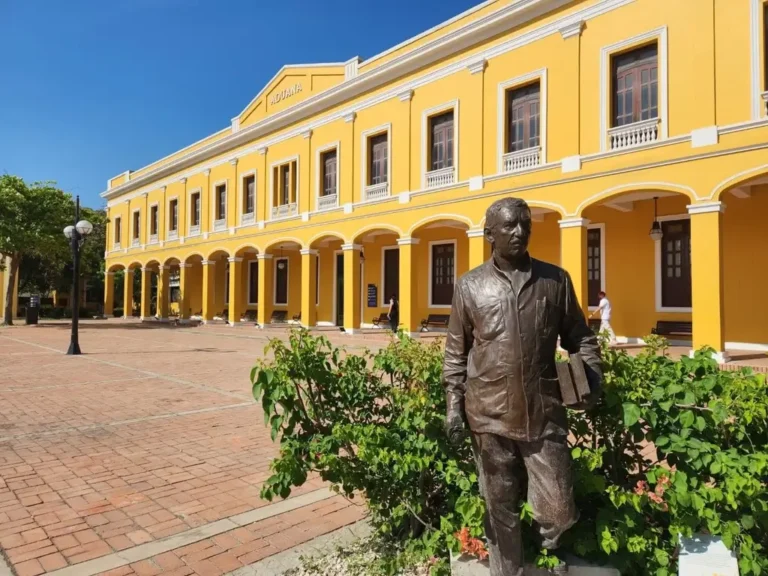
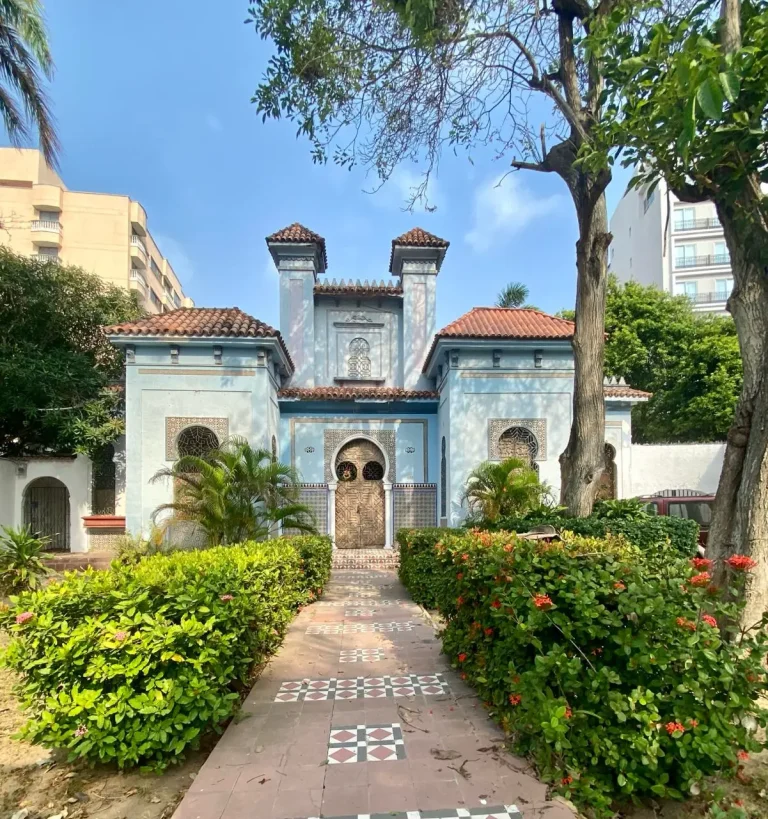
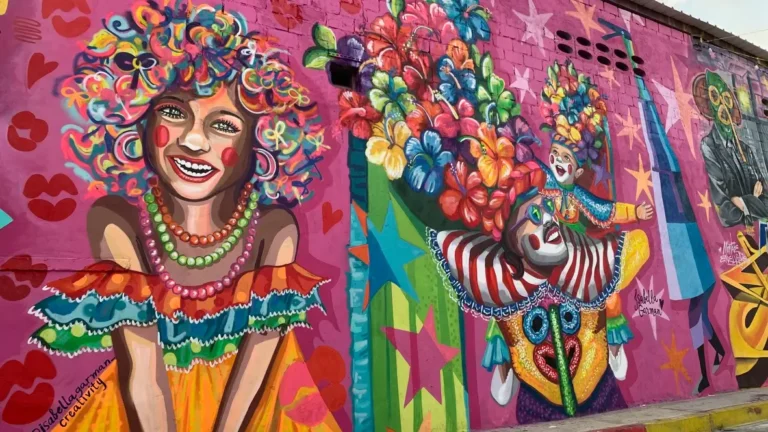
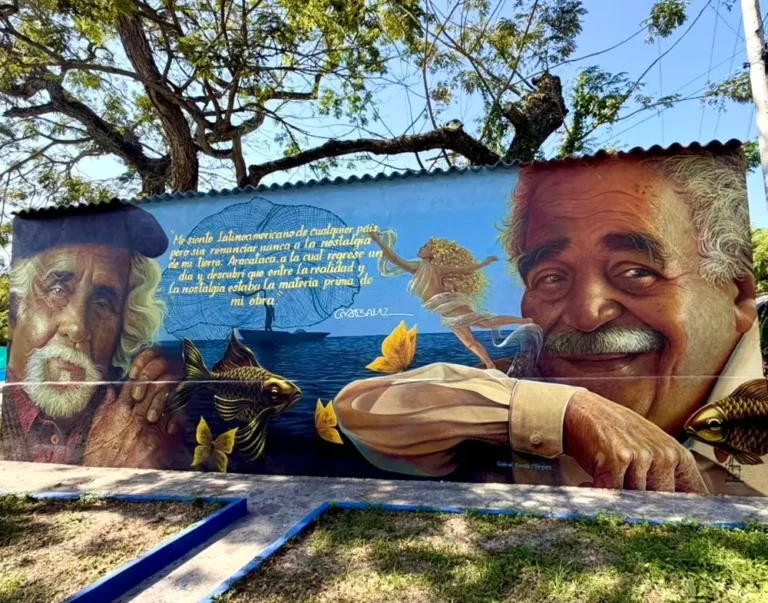
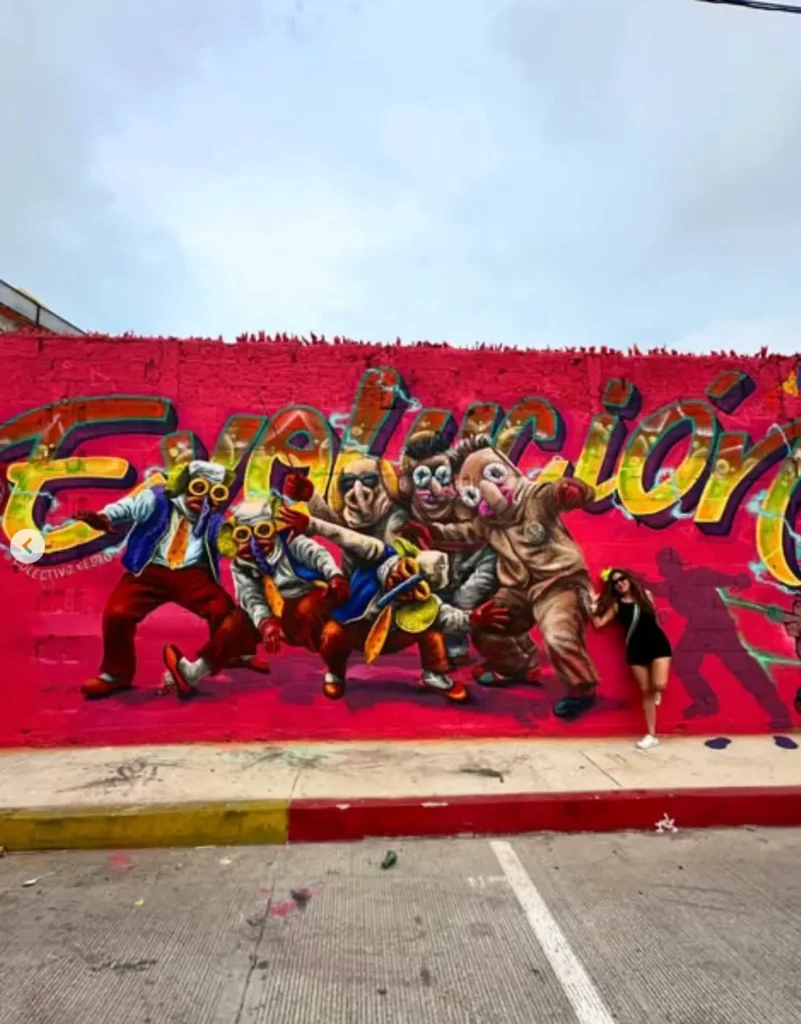
This blend of influences is reflected in Carnival, the Republican-era architecture of El Prado, and the city’s relationship with the river and the sea. Barranquilla also played a key role in the life of Gabriel García Márquez, who found an influential intellectual and journalistic environment here, shaping his career and his relationship with the Grupo de Barranquilla. Discovering the city means exploring a history that goes far beyond its festivities and understanding how its connections with the world helped shape the identity of the Colombian Caribbean.


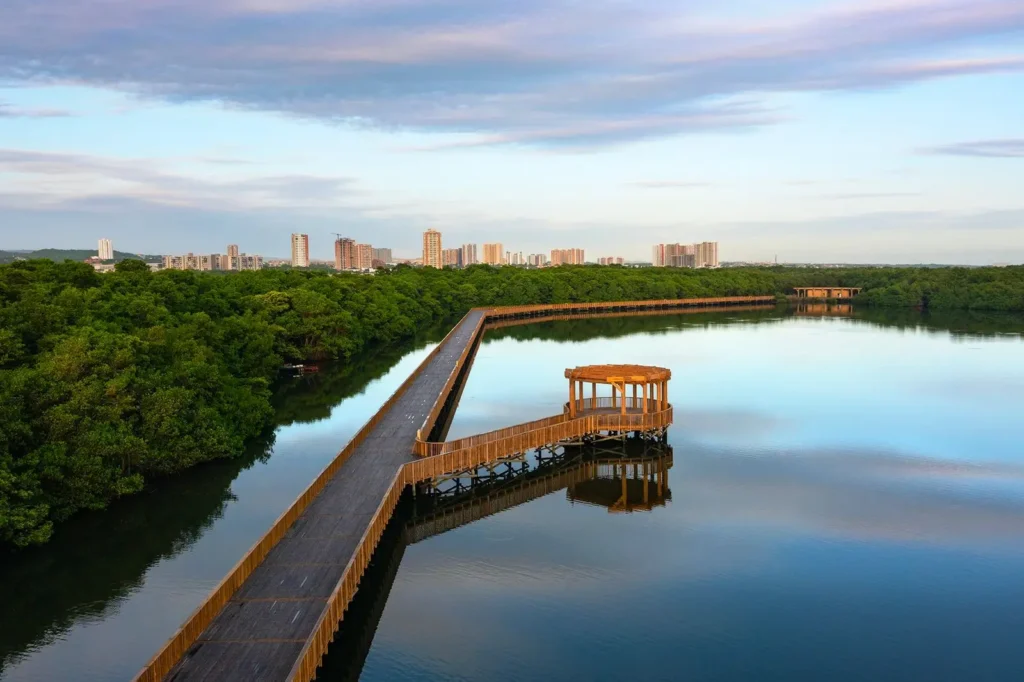
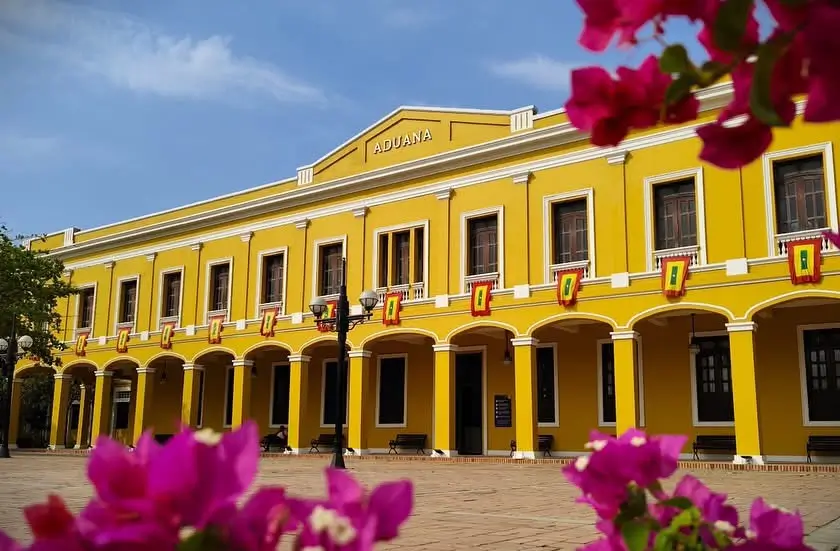
"Culture, history, and nature in a city that never stops reinventing itself."
Let’s design a tailor-made experience together.